
10 Energy Solar Technology Breakthroughs That Are Changing The World

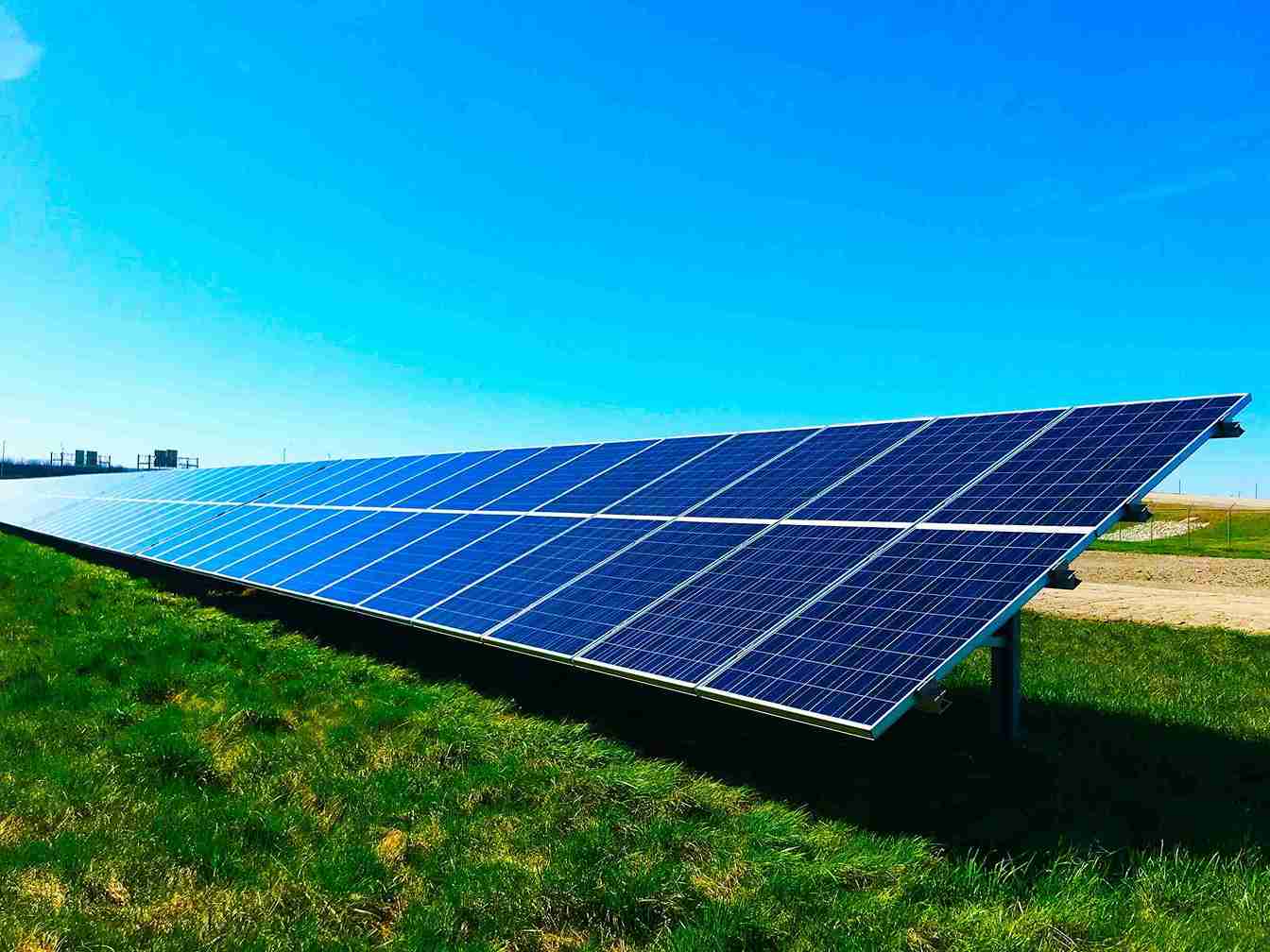
Energy solar technology has quickly evolved from a niche renewable energy source into one of the most powerful drivers of global sustainability and energy independence. Over the past decade, energy solar technology has undergone dramatic transformation thanks to advances in materials science, artificial intelligence, manufacturing processes, and large-scale power systems.
Governments, corporations, and households around the world are now investing heavily in energy solar technology as a cleaner, more cost-efficient alternative to fossil fuels. The rapid pace of development means energy solar technology is no longer only about rooftop panels, but about innovative smart systems that redefine how electricity is generated, stored, transmitted, and consumed.
As these new energy solar technology breakthroughs continue to emerge, the world is witnessing a profound shift toward sustainable infrastructure, reduced emissions, and more democratized access to electricity. Below are ten of the most significant energy solar technology advances changing the way the world is powered today.
1. Ultra-Efficient Solar Panels Are Transforming Energy Solar Technology
Modern energy solar technology now includes ultra efficient photovoltaic panels capable of capturing significantly more sunlight than traditional systems.
Advanced panel designs use multi-junction technology, bifacial cells, and enhanced coating materials that absorb a broader spectrum of light. These improvements mean households and industries can generate more electricity from the same physical space, reducing installation footprints while maximizing output.
This breakthrough also strengthens the economic sustainability of energy solar technology by improving long-term returns on investment and lowering energy costs. Regions with lower sunlight exposure now benefit from viable performance thanks to efficiency-optimized solar technology.
2. Solar Battery Storage Systems Have Redefined Energy Solar Technology
The integration of powerful battery systems has become one of the most important upgrades in energy solar technology. Solar batteries store excess energy generated during the day so it can be used at night or during grid outages. This capability promotes energy independence and supports more stable electricity delivery in both homes and industries.
Advanced lithium ion batteries and emerging solid state storage solutions extend battery lifespan while improving safety and charging capacity. The future of energy solar technology now includes fully integrated, self sustaining micro grids capable of operating independently from traditional grid networks.
3. Floating Solar Farms Are Expanding Global Energy Solar Technology Capacity
Floating solar installations, also known as “floatovoltaics” represent a creative expansion of energy solar technology. These systems are installed on lakes, reservoirs, and other calm water surfaces to reduce land usage while improving energy generation efficiency. Water naturally cools the panels, helping maintain higher output performance levels.
Floating energy solar technology systems also reduce water evaporation rates from reservoirs, contributing to resource preservation in drought-prone regions. Countries such as China, India, and Japan have already begun deploying massive floating solar facilities as part of national sustainability strategies.
4. Solar Tracking Systems Are Maximizing Output In Energy Solar Technology
Solar tracking systems allow panels to rotate and follow the sun throughout the day, significantly increasing energy production. This dynamic capability is becoming a standard feature in modern energy solar technology. Single axis and dual-axis trackers ensure optimal sunlight exposure from sunrise to sunset. These tools improve grid-scale solar farm efficiency and help reduce overall cost per kilowatt hour.
Tracking enabled energy solar technology solutions are particularly effective in regions with wide sky exposure and consistent seasonal sunlight. As manufacturing costs decrease, solar tracking will become even more widely adopted.
5. Building Integrated Photovoltaics Bring Energy Solar Technology Into Architecture
Building integrated photovoltaic systems represent one of the most visually innovative developments in energy solar technology. Instead of mounting panels on rooftops, solar cells are embedded directly into building materials such as glass, windows, roofing tiles, and facades. This approach transforms buildings into living energy harvesting structures.
Commercial towers, residential homes, airports, and industrial complexes are increasingly adopting integrated energy solar technology systems as sustainable design becomes a priority. These solutions reduce emissions while maintaining aesthetic design principles, making renewable power visually seamless in urban environments.
6. Solar Powered Transportation Is Expanding Energy Solar Technology Beyond Buildings
Transportation has become a major frontier for energy solar technology. Solar-powered charging stations support electric vehicles, while solar integrated carports, parking areas, and even vehicle roof panels contribute to energy capture. Some experimental vehicles already rely partially on onboard solar arrays for auxiliary power.
Aviation and marine industries are now exploring solar integration to supplement long-haul energy needs. This expansion of energy solar technology into the mobility sector helps reduce dependency on fossil fuels and supports long-term emissions reduction goals.
7. Smart Grids And AI Are Modernizing Energy Solar Technology Systems
Artificial intelligence and predictive analytics have become critical components of modern energy solar technology infrastructure.
Smart grids analyze real-time weather conditions, user consumption patterns, and system performance metrics to optimize energy flow and efficiency. AI also helps forecast solar output, manage storage distribution, and detect faults before system failure occurs.
This digital transformation makes energy solar technology more reliable, scalable, and economically viable for large-scale deployment. As smart grid adoption increases, renewable energy networks will become more resilient and efficient worldwide.
8. Perovskite Solar Cells Are Revolutionizing Energy Solar Technology Materials
Perovskite technology is considered one of the most exciting material innovations in energy solar technology. These lightweight, flexible solar cells offer higher efficiency potential at significantly lower manufacturing cost than traditional silicon based alternatives.
Perovskite cells can be printed onto thin films, enabling new solar applications such as flexible panels, window coatings, and portable energy devices.
Research continues to improve the durability and weather resistance of perovskite-based solar technology, bringing the industry closer to mass production capability.
9. Rural Electrification Projects Are Expanding Access To Energy Solar Technology
In many developing regions, energy solar technology provides affordable electricity access where grid infrastructure is unavailable or unreliable. Solar powered micro-grids, portable solar kits, and community energy hubs supply renewable power to schools, hospitals, farms, and remote households.
These projects improve quality of life, support economic opportunity, and reduce reliance on expensive diesel generators. International organizations and private energy innovators now collaborate to expand rural energy solar technology deployment, ensuring that sustainable power becomes more universally accessible.
10. Green Hydrogen Production Is Emerging As A Future Direction For Energy Solar Technology
One of the most forward looking developments in energy solar technology is the production of green hydrogen. Solar powered electrolyzers separate hydrogen from water molecules without generating carbon emissions.
This hydrogen can later be stored and converted back into energy, used in industrial processes, or applied as a clean fuel alternative.
Green hydrogen has the potential to power heavy transportation, steel manufacturing, and grid scale storage systems. When paired with renewable energy solar technology, hydrogen becomes a promising tool for future global decarbonization.
Conclusion
Energy solar technology is advancing faster than at any other time in history, reshaping how societies generate and consume electricity. From ultra efficient solar panels to AI enhanced smart grids, floating installations, green hydrogen production, and solar powered mobility, energy solar technology continues unlocking new possibilities for sustainability and energy independence.
Countries, companies, and individuals adopting energy solar technology benefit not only from lower long-term energy costs but also from meaningful contributions to climate stability and environmental stewardship. As innovation accelerates, the influence of energy solar technology will expand even further, empowering a cleaner and more resilient global energy future.
Read more: 10 Computer Systems Technology Trends That Are Shaping The Future Of Work
Leave a Reply