
Best Operational Technology Devices for Industry: A Field-Ready Guide to Choosing the Right OT Hardware

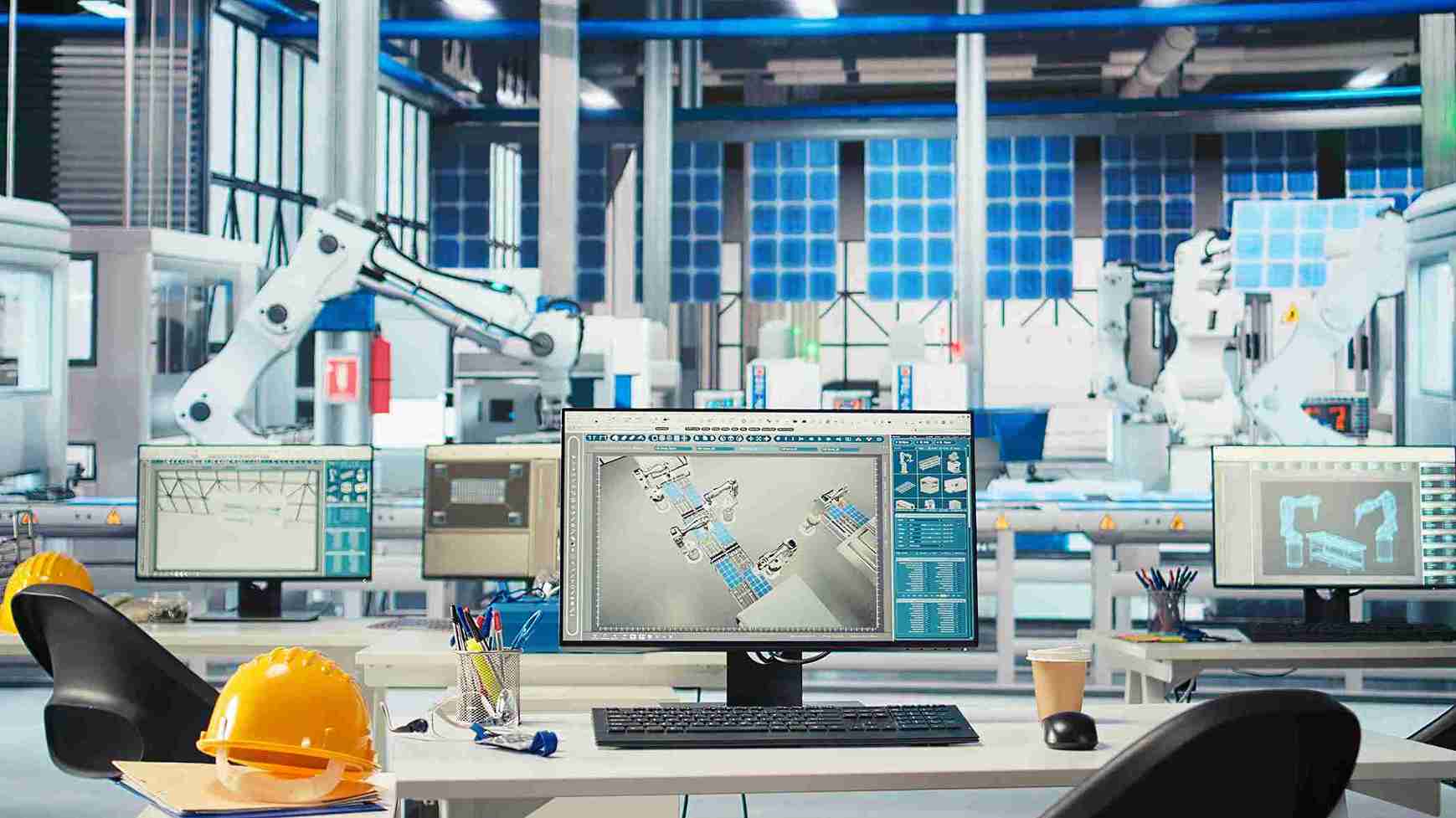
Best operational technology devices for industry determine how reliably a plant runs, how safely people work, and how quickly teams can detect problems before they become downtime. In real operations, “best” does not mean the newest gadget or the longest feature list. It means equipment that survives harsh environments, communicates predictably, stays supported for years, and fits your maintenance culture. This article explains which OT device categories matter most, where each one delivers value, and how to select them using practical criteria rather than marketing language.
Understanding OT Devices in Industrial Environments

Operational technology is the layer of hardware and software that directly interacts with physical processes. It measures signals from machines, commands actuators, and keeps production within defined limits. OT devices sit close to equipment and often run continuously. Unlike office IT, the priority is usually availability, deterministic behavior, and safety, with long replacement cycles.
When engineers talk about the best operational technology devices for industry, they are typically referring to the building blocks of industrial control systems: controllers, instrumentation, operator interfaces, industrial communications, safety components, and security controls built for ICS realities.
Why Device Choices Drive Uptime, Safety, and Quality
A plant can have excellent people and still struggle if devices are unreliable, poorly integrated, or hard to maintain. The impact shows up in small ways that add up: nuisance alarms, inconsistent readings, hard-to-diagnose network issues, and repeated manual checks that steal time from preventive work.
Choosing the best operational technology devices for industry supports outcomes such as:
Higher availability through robust control and better diagnostics
Safer operations through certified safety functions and clear operator guidance
Consistent quality through stable instrumentation and repeatable control
Reduced maintenance burden with standardized hardware and spare strategies
Improved decision-making with trustworthy, time-aligned data
Lower cyber exposure through segmentation and secure access design
Controllers That Run the Plant: PLC, PAC, and RTU
PLC Controllers for Deterministic Machine Control
Programmable logic controllers remain the most common industrial automation controllers for discrete and hybrid applications. Their key strength is predictable execution. In packaging, assembly, and material handling, that predictability is often more valuable than raw computing power.
To evaluate PLC controllers as part of the best operational technology devices for industry, prioritize:
Rugged design and electrical noise immunity
Modular I/O expansion and clear diagnostics
Support for common industrial protocols
Availability of spare parts and long-term vendor support
Tooling that your technicians can realistically maintain
PAC Platforms for Complex Applications
Programmable automation controllers typically handle larger programs, broader communications, and more advanced control tasks. They are useful when you need tighter integration of motion, data processing, and multi-system coordination. In many modern platforms, the line between PLC and PAC capabilities is blurred, so the practical question becomes whether your application demands higher performance and integration flexibility.
RTUs for Remote and Distributed Assets
Remote terminal units are a strong fit for geographically spread infrastructure such as pipelines, pumping stations, water utilities, and energy sites. They are designed to operate with limited local support and may rely on varied communications links. For remote monitoring and control, RTUs are frequently among the best operational technology devices for industry because they emphasize resilience and telemetry reliability.
Operator Visibility: HMI Panels and SCADA Components
Industrial HMI Panels at the Machine Level
Human machine interfaces are where operational reality meets control logic. A solid HMI improves response time and reduces error by making states and alarms understandable. The most important “feature” is often screen clarity and navigation that matches the operator’s workflow.
In harsh conditions, choose industrial-grade displays with:
Appropriate ingress protection and temperature tolerance
Reliable touch response for gloves or wet conditions
Consistent alarm presentation and event logs
A screen design standard that can be reused across lines
SCADA for Supervisory Monitoring and Centralized Control
Supervisory systems pull operational data from controllers, aggregate alarms, and provide a broader plant or multi-site view. While SCADA is a system, the underlying servers, interfaces, and data historians are critical OT components that must be designed for reliability.
If your goal is a stable operations center, SCADA-related infrastructure can be part of the best operational technology devices for industry when it supports secure authentication, role-based access, clear alarm priorities, and reliable data logging.
Instrumentation and Sensors: The Foundation of Reliable Data
Sensors are often underestimated because they are relatively small purchases compared to controllers and servers. Yet a single unstable transmitter can create months of false troubleshooting. Instrumentation quality directly affects control stability, product quality, and maintenance efficiency.
High-impact industrial sensors and measurement devices include:
Pressure, flow, and level transmitters for process control
Temperature sensors for thermal systems and product standards
Vibration and condition monitoring sensors for rotating assets
Proximity, photoelectric, and encoder devices for discrete automation
Power meters and electrical monitoring for energy programs
In many modernization projects, improved instrumentation is the fastest route to better performance. For this reason, industrial sensors and transmitters are frequently part of the best operational technology devices for industry—especially when the business case is built around downtime reduction and predictable quality.
Edge Gateways and IIoT Devices: Turning Signals into Actionable Insight
Edge Computing Gateways
Industrial edge gateways sit between control networks and higher-level systems. They collect data, translate protocols, and can run local processing so the plant is not fully dependent on remote infrastructure. Edge devices are most valuable when you need data without disrupting control, or when bandwidth and latency must be managed carefully.
Edge computing devices are often considered among the best operational technology devices for industry because they enable:
Protocol translation and data normalization
Local buffering during network interruptions
Event filtering to reduce unnecessary traffic
A clean boundary for security and segmentation
Wireless IIoT Sensors for Rapid Coverage
Wireless industrial IoT sensors are useful for retrofit monitoring, temporary studies, or hard-to-wire equipment. They can expand visibility quickly, but they require a disciplined approach to battery management, radio planning, and security policies. Used correctly, IIoT monitoring devices can help teams identify failure patterns earlier and prioritize maintenance where it matters.
Industrial Networking Devices: The Hidden Backbone
A plant can have high-quality controllers and still struggle if the network is unstable. Industrial networks must handle noise, vibration, and continuous traffic while avoiding disruptions. That is why networking hardware designed for industrial environments matters.
Key industrial networking devices include:
Managed industrial switches that support segmentation and redundancy
Industrial routers for site connectivity and controlled remote access
Wireless access points built for plant conditions
Time synchronization devices to align event logs and troubleshooting
Network hardware is a common differentiator between an OT system that is “connected” and one that is truly maintainable. For many facilities, the best operational technology devices for industry include industrial switches and routing equipment chosen for reliability, diagnostics, and secure configuration.
Safety Systems and Safety Devices: Engineering for Protection
Safety is not a feature you bolt on. It is a design requirement that shapes device choices, wiring practices, and validation processes. Depending on the industry, safety devices must meet defined standards and documented performance levels.
Common safety-related OT devices include:
Safety relays and safety-rated controllers for interlocks and emergency stops
Light curtains and safety scanners for machine guarding
Emergency stop assemblies, gate switches, and safety mats
Gas detection devices in hazardous environments
Safety instrumented functions for high-consequence process risks
A plant that invests in production technology but underfunds safety is building risk into daily operations. From a long-term perspective, safety devices belong in any serious list of the best operational technology devices for industry.
Drives and Motion Control: Efficiency and Precision at Scale
Drives and motion systems shape throughput and energy consumption. In motor-heavy operations, variable frequency drives often deliver measurable energy and maintenance benefits by reducing mechanical stress and improving speed control.
Important motion and drive devices include:
Variable frequency drives for pumps, fans, and conveyors
Servo drives for precision positioning and high-speed automation
Motion controllers for coordinated multi-axis applications
When energy optimization is a priority, drives and motor control equipment frequently qualify as some of the best operational technology devices for industry because they directly influence power use and mechanical wear.
Industrial Cybersecurity Devices: Essential Protection for Connected OT
As OT environments connect to IT systems, cybersecurity becomes inseparable from reliability. Many incidents begin with weak access control, poor segmentation, or unmanaged remote connections. Industrial cybersecurity controls must be chosen and implemented in ways that respect operational constraints.
Key security-related OT device categories include:
Industrial firewalls for segmentation between zones and conduits
Passive monitoring or IDS tools tuned for ICS protocols
Secure remote access gateways with strong authentication
Asset visibility tools that identify unmanaged devices
Backup and recovery tools for controller configurations and critical servers
In modern environments, the best operational technology devices for industry include security devices that support stable operations, not just compliance checklists.
How to Select the Right OT Devices: A Decision Checklist
Instead of choosing devices based on popularity, use a structured evaluation approach:
Operational criticality: what happens if the device fails
Environmental fit: temperature, dust, vibration, moisture, chemicals
Integration: protocol support, compatibility with existing systems
Support lifecycle: spare parts availability, vendor roadmap, service network
Maintainability: diagnostics, ease of replacement, configuration management
Security readiness: authentication, logging, secure updates, segmentation support
Compliance: safety ratings, hazardous area certifications, industry regulations
The best operational technology devices for industry are those that your teams can operate, maintain, and secure over years—without creating hidden dependencies or constant exceptions.
Mistakes That Make “Good Devices” Perform Badly
Even strong hardware can fail to deliver value if implementation is poor. Common pitfalls include:
Mixing many device brands without a standard architecture
Connecting OT directly to broader networks without segmentation
Building HMIs without consistent alarm and screen standards
Collecting data without time alignment, naming conventions, or context
Skipping documentation and configuration backups during commissioning
Avoid these issues by setting standards early and treating OT as a lifecycle program rather than a one-time install.
Practical Rollout Strategy for Measurable Results
A phased approach is usually safer and more cost-effective than an all-at-once replacement. Start where you can prove value quickly:
Choose a critical line or asset group with frequent downtime
Improve sensing and diagnostics first to reveal root causes
Introduce edge gateways to collect data without stressing controllers
Strengthen industrial networking and segmentation before scaling connectivity
Expand to safety and security improvements with clear procedures and training
This approach turns device upgrades into operational capability, not just new hardware.
Conclusion
Selecting the best operational technology devices for industry is a strategic decision that affects reliability, safety, and competitiveness. Controllers, HMIs, sensors, edge gateways, networking equipment, safety devices, drives, and cybersecurity tools each play a role, but value comes from how well they work together in your environment.
By focusing on environmental fit, maintainability, security readiness, and long-term support, you can build an OT foundation that improves performance today and remains resilient as connectivity and automation demands grow.
Leave a Reply