
Building a Competitive Gaming Ecosystem in Tulsa with Modern Video Gaming Technology

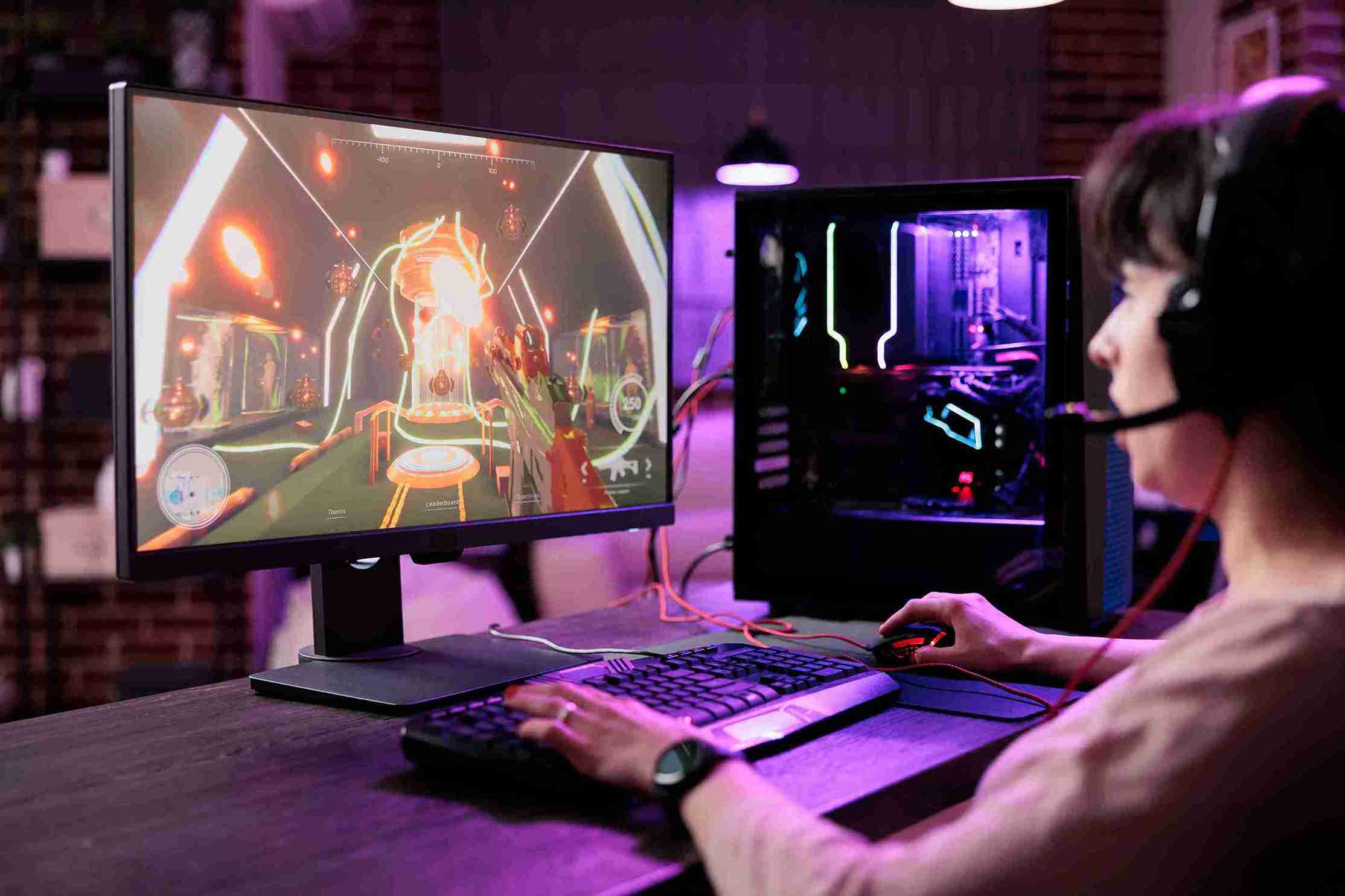
video gaming technologies tulsa is no longer just a niche phrase for hobbyists—it reflects a fast-growing intersection of software engineering, immersive hardware, high-performance networking, and creative production. Tulsa’s tech community, affordable operating environment, and increasingly connected talent pipelines make it a practical place to build, test, and scale gaming-related products and services. Whether you are launching an indie studio, supporting esports events, running a VR venue, or supplying gaming hardware to consumers, the same truth applies: success depends on choosing the right technology stack and building reliable operations around it.
This article explains the core technologies shaping gaming today, how those technologies translate into real-world opportunities in Tulsa, and what decision-makers should evaluate to ensure quality, security, and long-term sustainability.
Why Tulsa Is a Practical Market for Gaming Innovation
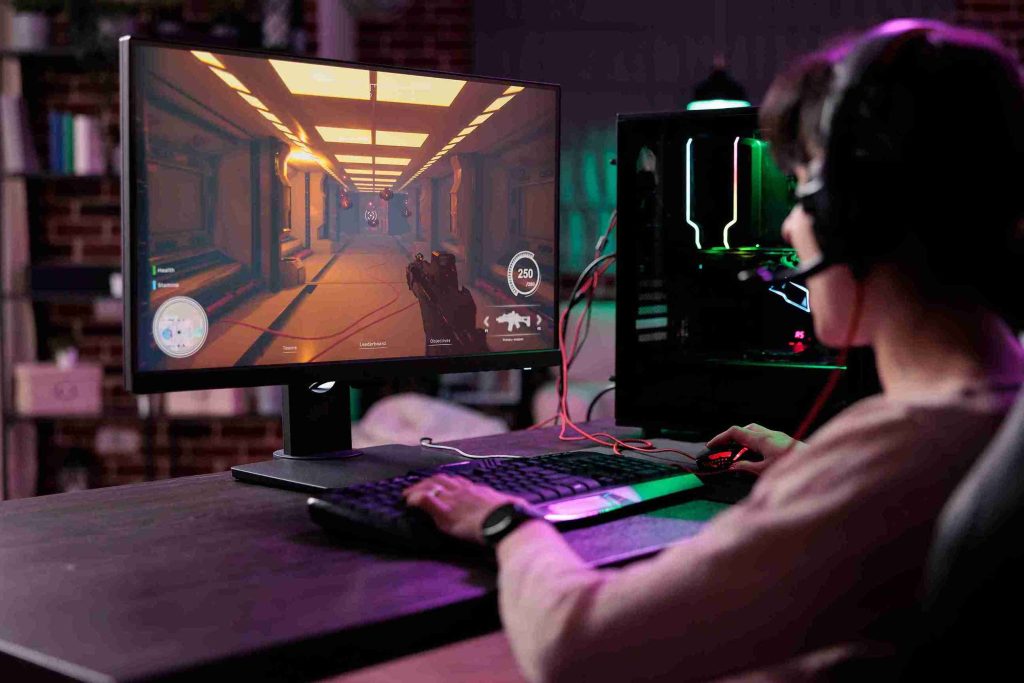
Gaming ecosystems thrive when three ingredients align: capable talent, accessible infrastructure, and an active user community. Tulsa can support all three if projects are planned thoughtfully.
From a business standpoint, Tulsa offers room to test products and services without the cost pressure common in larger coastal hubs. From a technical standpoint, modern game production workflows enable distributed collaboration, meaning a Tulsa-based team can build with global tools while keeping local operations stable. For community growth, esports, streaming culture, and social gaming experiences create recurring demand for venues, events, and content.
That is why conversations about video gaming technologies tulsa increasingly include not only game studios, but also IT providers, audio-visual teams, training programs, and hardware specialists.
What “Gaming Technologies” Actually Includes Today
Gaming technology is often misunderstood as “just computers and consoles.” In practice, it spans the full lifecycle of interactive experiences:
Game creation tools (engines, art pipelines, QA automation), real-time infrastructure (servers, networking, analytics), immersive devices (VR headsets, motion tracking), and user-facing platforms (PC builds, consoles, mobile, cloud streaming). In Tulsa, these components show up as services and products that can be offered locally even when the player base is global.
In other words, video gaming technologies tulsa can describe everything from Unreal Engine development and Unity prototyping to esports broadcast kits, VR safety systems, and latency-optimized networks.
Core Stack: Engines, Pipelines, and Production Workflows
If you are building games or interactive experiences, your engine and pipeline choices determine costs, hiring needs, and time-to-market.
Real-Time Engines and Tooling
Most modern development teams standardize on major real-time engines and extend them with specialized tools:
Content creation workflows for 3D modeling, animation, and texturing
Version control and build systems to keep teams aligned
Scripting and plug-ins to accelerate prototyping
Testing frameworks for stability across devices and updates
For Tulsa-based studios and contractors, the practical goal is consistency. A stable toolchain reduces rework, speeds onboarding, and improves delivery quality—critical factors for client trust and repeatable revenue.
Asset Management and Collaboration
Serious studios treat asset libraries like financial assets: organized, tracked, and protected. Strong pipelines include clear naming conventions, automated backups, role-based access, and documentation that survives team changes.
This level of discipline matters for any organization positioning itself in video gaming technologies tulsa, because reliability becomes a competitive differentiator when clients compare local providers with remote freelancers.
Performance and Low Latency: Networking That Players Can Feel
Many gaming businesses fail because they focus on graphics and ignore performance fundamentals. Players notice delay immediately—especially in shooters, fighting games, and esports titles. For Tulsa ventures, latency is both a technical and operational concern.
Key performance elements include:
Stable routing and bandwidth planning for venues and studios
Proper Wi-Fi design for crowded events, not just office use
Edge-friendly architectures when hosting competitive experiences
Monitoring and incident response so outages do not become reputational damage
Even if your team is not running game servers directly, you may support streaming, tournaments, or public play spaces. In those cases, a strong network plan is central to video gaming technologies tulsa because it directly affects customer experience.
Immersive Experiences: VR, AR, and Location-Based Gaming
Virtual reality and augmented reality are no longer experimental; they are mainstream enough to power profitable location-based entertainment, training simulations, and marketing activations.
VR and AR systems depend on:
Accurate tracking (inside-out tracking, external sensors, controller calibration)
Safe physical layouts (guardian boundaries, cable management, clear signage)
Sanitization processes for shared headsets and face interfaces
Content curation that matches session length, comfort, and audience age
Operators who treat safety and hygiene as part of the technology stack tend to outperform those who treat them as an afterthought. If you want to build a trusted brand around video gaming technologies tulsa, immersive setups are a powerful opportunity—but only when run with professional standards.
Cloud Gaming, Streaming, and the Creator Economy
Gaming today is also a media business. Streaming and short-form clips influence what people play, where they gather, and what products they buy.
A Tulsa-based gaming operation can support this demand through:
Streaming-ready PC builds and capture solutions
Audio treatment and lighting configurations for creators
Cloud-enabled workflows for remote collaboration and quick publishing
Content moderation and brand safety guidance for public-facing channels
Cloud gaming and game streaming also raise new requirements: reliable upload speeds, stable encoding settings, and security practices to protect accounts and revenue. These are practical service areas under the umbrella of video gaming technologies tulsa, especially for businesses supporting creators, venues, or small esports orgs.
Esports Operations: From Events to Training Environments
Esports is not just competitive play—it is event production, facility management, and broadcast engineering combined.
A professional esports setup typically needs:
Low-latency displays and consistent peripherals across stations
Network segmentation to keep event traffic stable and secure
Tournament management tools and reliable match capture processes
Streaming overlays, audio mixing, and redundancy planning
Organizations that understand both IT fundamentals and player expectations can create sustainable esports operations. That is why video gaming technologies tulsa often overlaps with AV integrators, managed service providers, and event teams who can deliver reliable experiences under pressure.
Education, Hiring, and Skill-Building in Tulsa
A healthy gaming ecosystem depends on skills that are teachable and transferable. Even when teams are small, the capability mix must be balanced: programming, art, design, production, testing, and live operations.
Local skill-building strategies may include:
Structured portfolios for artists and designers
Game jams and community projects to simulate production constraints
Mentorship programs that focus on shipping, not just ideas
Cross-training in QA, performance testing, and accessibility
When the community invests in repeatable training and professional standards, it strengthens the credibility of video gaming technologies tulsa as a serious market—not just a casual hobby scene.
Business Opportunities Beyond Game Development
Not every profitable gaming business builds a game. In many cities, the most stable revenue comes from services around gaming:
Hardware sales, upgrades, and performance tuning
Console and PC maintenance with professional diagnostics
Cybersecurity and account protection for consumers and teams
Venue design and managed networks for gaming lounges and events
User research, QA services, and compliance consulting
These “support layer” businesses can thrive in Tulsa because they serve both local customers and remote clients. When framed correctly, video gaming technologies tulsa is an entire supply chain, not a single business model.
How to Choose the Right Partner or Vendor
If you are purchasing technology or hiring a service provider in the gaming space, evaluate them with criteria that protect quality and reduce risk.
Look for evidence of:
Documented processes (setup checklists, support playbooks, testing plans)
Security practices (account management, access controls, patch routines)
Performance testing (proof they measure latency, stability, and thermal behavior)
Clear service boundaries (what is included, what is not, and escalation paths)
References or portfolio proof that aligns with your use case
This is where many buyers make expensive mistakes. A partner may be enthusiastic but not operationally mature. Teams that take vendor evaluation seriously tend to build stronger reputations in video gaming technologies tulsa because their delivery becomes consistent, not luck-based.
Future Trends Shaping the Next 2–3 Years
Gaming technology changes quickly, but several trends are stable enough to plan around:
More cross-platform development, requiring strong testing discipline
Higher expectations for accessibility and inclusive design
Greater focus on account security, fraud prevention, and moderation
Wider adoption of AI-assisted workflows for animation, QA, and support operations
Growth of mixed reality experiences that blend physical venues with digital content
For Tulsa businesses, the advantage comes from being early but practical: adopt what improves reliability and customer value, not what merely sounds new.
Conclusion: Building Long-Term Value in Tulsa’s Gaming Scene
Tulsa’s opportunity in gaming is not limited to a single studio or a single event series. The strongest ecosystems are built through dependable services, skilled talent pipelines, and technology choices that prioritize performance and trust. When you treat gaming as a serious product and operations discipline, supported by stable networks, documented workflows, and customer-first experiences you create growth that lasts.
Leave a Reply