
7 Detox Technology Innovations That Are Quietly Improving Digital Wellbeing

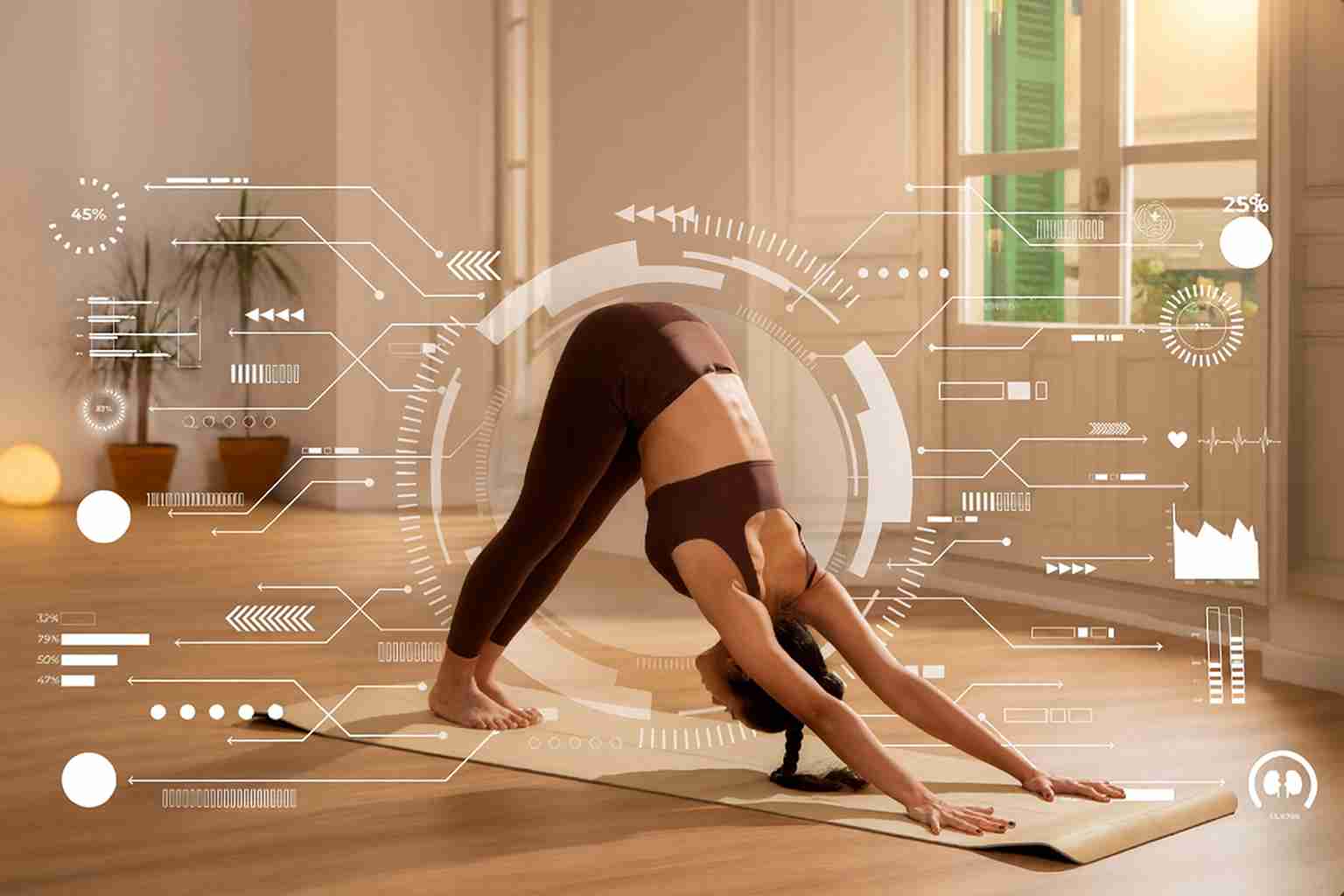
Detox technology has become an essential part of modern digital wellbeing efforts as individuals face rising screen usage, constant notifications, and mental fatigue from always-on connectivity. The rapid growth of digital habits has created a growing need for tools that help people regain balance, manage screen time, and protect mental health. Solutions ranging from AI-assisted usage monitors to advanced focus tools are now integrated into daily life to help users reduce stress, improve productivity, and restore healthy tech behaviors. Many of these innovations work quietly in the background to guide users toward healthier routines without disrupting their lifestyle, marking an important shift in how society approaches technology and wellbeing.

1. Screen Time Management Systems Becoming Smarter and More Personalized
Screen time management tools represent one of the most impactful detox technology innovations because they help users monitor digital consumption in real time. Modern systems use predictive algorithms to detect excessive usage patterns and notify users before they reach cognitive overload. These tools analyze behavioral patterns, preferred usage times, and periods of digital fatigue to recommend healthier schedules. They also provide weekly and monthly reports that reveal how habits evolve, allowing users to adjust accordingly. Because of this personalized approach, screen time management has become a foundational pillar of digital wellbeing strategies for families, students, remote workers, and frequent device users.
2. Digital Mindfulness Apps Encouraging Healthy Tech Boundaries
Digital mindfulness applications play a crucial role in detox technology because they integrate meditation, breathing exercises, and relaxation sessions into daily digital routines. These apps guide users through intentional pauses designed to slow down mental overload caused by constant stimulation. Many tools incorporate calming visuals, gentle reminders, and adaptive timers that encourage mindful breaks during intense work or long screen exposure. This approach supports long-term mental health by addressing stress before it escalates. Users benefit from improved emotional stability, lower anxiety levels, and increased self-awareness as these apps quietly promote healthier digital boundaries.
3. Focus and Productivity Tools Reducing Digital Distractions
Focus tools represent a vital category of detox technology because they block unnecessary notifications, limit access to distracting apps, and strengthen productivity discipline. These tools function by creating controlled digital environments where only essential tasks remain accessible. They often include customizable intervals, focus modes, and progress metrics to help users maintain concentration. By reducing interruptions, individuals experience deeper task engagement, faster work completion, and improved mental clarity. This innovation supports professionals, students, and creatives who struggle with digital noise and require uninterrupted focus to optimize performance.
4. Blue Light Filtering Technologies Supporting Eye Health
Blue light reduction tools significantly improve digital wellbeing by filtering harsh wavelengths that contribute to eye strain, disrupted sleep patterns, and long-term discomfort. These tools appear in many forms such as built-in device settings, wearable glasses, and third-party applications. Their algorithms automatically adapt screen warmth according to time of day, user environment, and ambient lighting conditions. By reducing exposure to stimulating blue light in the evening, users experience better sleep quality and reduced digital fatigue. These technologies represent an essential part of detox technology because they improve physical comfort while promoting healthier nighttime routines.
5. Notification Control Systems Preventing Cognitive Overload
Notification control systems quietly transform digital wellbeing by prioritizing alerts based on importance and behavior patterns. Instead of overwhelming users with constant interruptions, these tools categorize notifications and deliver them in organized batches. They analyze which alerts are truly essential and suppress those that cause unnecessary cognitive stress. This creates a calmer digital environment where users regain control of their attention. As a result, notification control innovations have become a core part of detox technology, reducing mental clutter and restoring focus throughout the day.
6. Digital Wellbeing Dashboards Offering Clear Behavioral Insights
Digital wellbeing dashboards enhance detox technology by providing visual overviews of device usage, emotional patterns, and screen habits. These dashboards consolidate data from apps, browsers, and device sensors to show how time is spent across various digital activities. Users receive insights that reveal hidden behaviors such as frequent app switching, peak stress times, or excessive nighttime browsing. By understanding these patterns, individuals can make informed decisions to adjust routines and adopt healthier habits. This form of self-analysis empowers users to reconnect with their digital environment in a more intentional and balanced way.
7. Wearable Wellbeing Devices Encouraging Healthy Offline Habits
Wearable devices designed for wellness contribute significantly to digital detox efforts by tracking movement, heart rate, stress levels, and sleep cycles. These devices identify physiological indicators of digital exhaustion and suggest offline activities such as stretching, hydration, or short walks. Their subtle notifications promote mindfulness and physical wellness throughout the day. Because they operate independently from traditional screen-based apps, they help users reduce dependence on phones and tablets. These innovations round out the detox technology landscape by linking digital wellbeing with physical health in a seamless and holistic manner.
Conclusion
Detox technology has evolved from simple screen timers into a sophisticated ecosystem of tools that support healthier digital behavior while preserving productivity and connectivity. Each innovation—from mindfulness apps to wearable wellbeing devices plays a unique role in improving mental clarity, reducing stress, and building intentional usage habits. As digital lifestyles continue to grow more demanding, these technologies quietly provide structure that helps individuals maintain balance and regain control over their digital routines. The shift toward healthier tech engagement is becoming a crucial part of modern wellbeing, and detox technology is now recognized as an essential component of sustainable digital living.
Leave a Reply