
10 Important Facts About Salary For Radiologic Technology You Should Know Before Applying

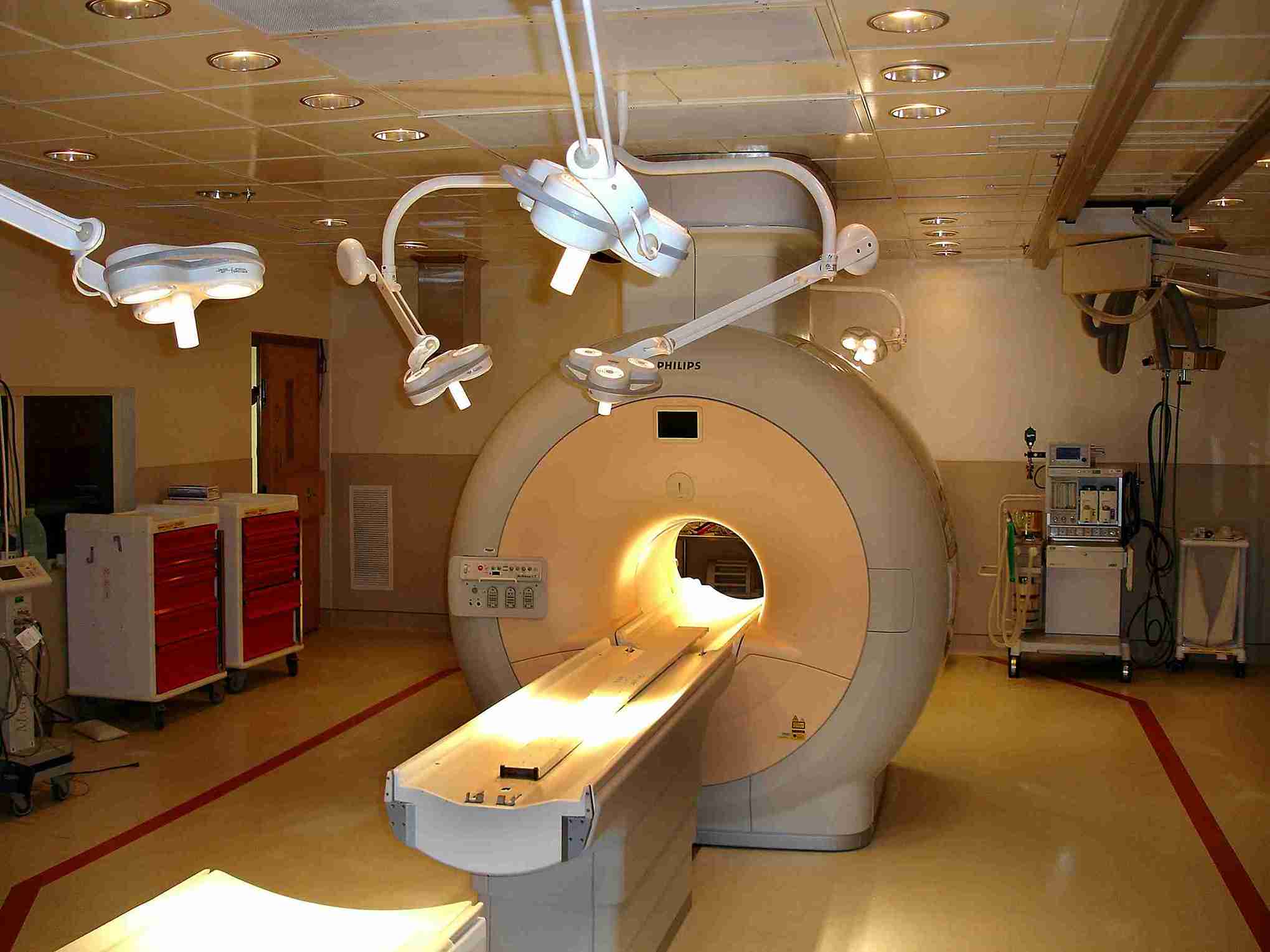
Salary for radiologic technology is one of the most common questions asked by students and career changers considering this profession, because compensation plays a major role in long term career planning, financial security, and lifestyle decisions. Salary for radiologic technology varies significantly depending on education, certification, geographic region, specialization, years of experience, and the type of healthcare facility where a professional works.
Many people assume the salary for radiologic technology is the same everywhere, yet the reality is far more dynamic and influenced by market demand and skill level. Understanding salary for radiologic technology before entering the field helps candidates set realistic expectations, negotiate fairly, and make informed decisions about specialization or advanced study.
In this article, we explore ten essential facts about salary for radiologic technology that every aspiring technologist should understand in order to make the most of their career path.
1. Entry Level Salary For Radiologic Technology Is Competitive Compared To Many Healthcare Support Roles
For those just starting out, the entry level salary for radiologic technology is often higher than many other allied health roles that require similar years of education. New graduates typically begin earning a stable full time income shortly after completing certification and licensing requirements.
Hospitals, outpatient imaging centers, and diagnostic labs are willing to pay competitive wages because trained radiologic technologists are essential to accurate diagnosis and patient care. This makes the salary for radiologic technology appealing for individuals seeking a healthcare career without spending a decade in medical school.
2. Experience Has A Strong Impact On Salary For Radiologic Technology Over Time
The salary for radiologic technology does not remain static throughout a career. Radiologic technologists often see steady salary growth as they gain clinical experience, master advanced imaging techniques, and take on greater responsibility.
Employers generally value technologists who can work independently, train new staff, and adapt to evolving imaging technology. With several years of experience, the salary for radiologic technology can rise well above the entry level range, reflecting increased competency and professional reliability.
3. Geographic Location Greatly Influences Salary For Radiologic Technology
Another key factor that shapes the salary for radiologic technology is location. Professionals working in large metropolitan areas or regions with a higher cost of living generally receive higher wages than those in rural areas. However, the salary for radiologic technology must also be evaluated against housing, transportation, and overall living expenses.
Some states face greater workforce shortages and therefore offer higher base pay or signing bonuses to attract qualified technologists. Understanding regional pay trends is crucial before relocating or accepting a position.
4. Specialization Often Increases Salary For Radiologic Technology Professionals
While general radiography provides a strong foundation, specializing can significantly increase salary for radiologic technology professionals. Areas such as MRI, CT scanning, interventional radiology, and radiation therapy typically require additional certification or training but come with higher earning potential.
Specialists often handle more complex procedures and collaborate closely with physicians, which justifies the higher salary for radiologic technology specialists compared to general radiographers.
5. Type Of Employer Affects Salary For Radiologic Technology Careers
The salary for radiologic technology varies depending on whether a professional works in a hospital, private clinic, urgent care center, research facility, or government institution. Hospitals often provide structured salary scales and benefits such as retirement plans or tuition reimbursement.
Private practices may offer higher hourly wages but fewer long term benefits. Academic medical centers sometimes offer slightly lower salaries but provide exposure to advanced technology and research. These differences show how employer type influences salary for radiologic technology.
6. Certifications And Advanced Credentials Can Boost Salary For Radiologic Technology
Employers commonly reward additional certifications with salary increases. Holding credentials from recognized regulatory or professional bodies demonstrates competence and specialization.
For example, obtaining MRI, CT, or mammography certification can increase salary for radiologic technology professionals because these roles require advanced technical knowledge. Continuing education also signals commitment to professional growth, which employers value highly when determining compensation.
7. Shift Differentials And Overtime Increase Salary For Radiologic Technology Employees
Hospitals and emergency facilities operate around the clock, meaning radiologic technologists are often needed during evenings, weekends, and holidays. Many employers offer shift differentials or overtime pay for work performed outside standard business hours.
This can significantly raise the salary for radiologic technology professionals willing to work flexible or extended schedules. Some technologists even prefer overnight shifts because the pay rate is higher and the workload can be more varied.
8. Benefits Package Plays A Major Role In Overall Salary For Radiologic Technology
While hourly or annual wages are important, total compensation for radiologic technologists includes benefits such as health insurance, retirement contributions, paid time off, and educational support.
A slightly lower base salary for radiologic technology may still be attractive if paired with strong benefits that improve long term financial stability. Evaluating total compensation rather than salary alone gives a clearer picture of financial reality.
9. Demand For Radiologic Technologists Supports A Stable Salary For Radiologic Technology Careers
Healthcare organizations rely heavily on diagnostic imaging to guide treatment decisions. This consistent demand helps stabilize salary for radiologic technology across economic cycles. As the population ages and chronic conditions increase, the need for skilled imaging professionals remains strong.
Technologists who maintain certification and keep pace with evolving technology will continue to enjoy solid career security and reliable salary for radiologic technology roles.
10. Negotiation, Professionalism, And Career Planning Influence Salary For Radiologic Technology
Finally, the salary for radiologic technology can be influenced by negotiation skills, professional reputation, and long term career strategy. Technologists who build strong relationships, demonstrate leadership, and pursue specialized roles are often better positioned for salary advancement.
Understanding market averages, preparing well for interviews, and documenting achievements can all support fair compensation discussions. The salary for radiologic technology is therefore not only determined by the job market but also by how effectively professionals manage their own careers.
Conclusion
A clear understanding of salary for radiologic technology helps future technologists enter the field with realistic expectations and a strong long term plan.
Compensation reflects multiple factors, including experience level, specialization, employer type, certification, schedule, regional demand, and overall professional development.
Those who invest in continuous training, maintain high clinical standards, and actively manage their career trajectory often see the greatest financial rewards over time.
Salary for radiologic technology remains competitive and stable, making this profession both meaningful and financially viable for individuals who want to work in healthcare while contributing directly to patient diagnosis and treatment success.
Read more: 10 Reasons Global Technology Associates Is Trusted By Leading Companies Worldwide
Leave a Reply