
What Are Mainframe Technologies? A Practical Guide to the Systems Behind Global Scale Computing

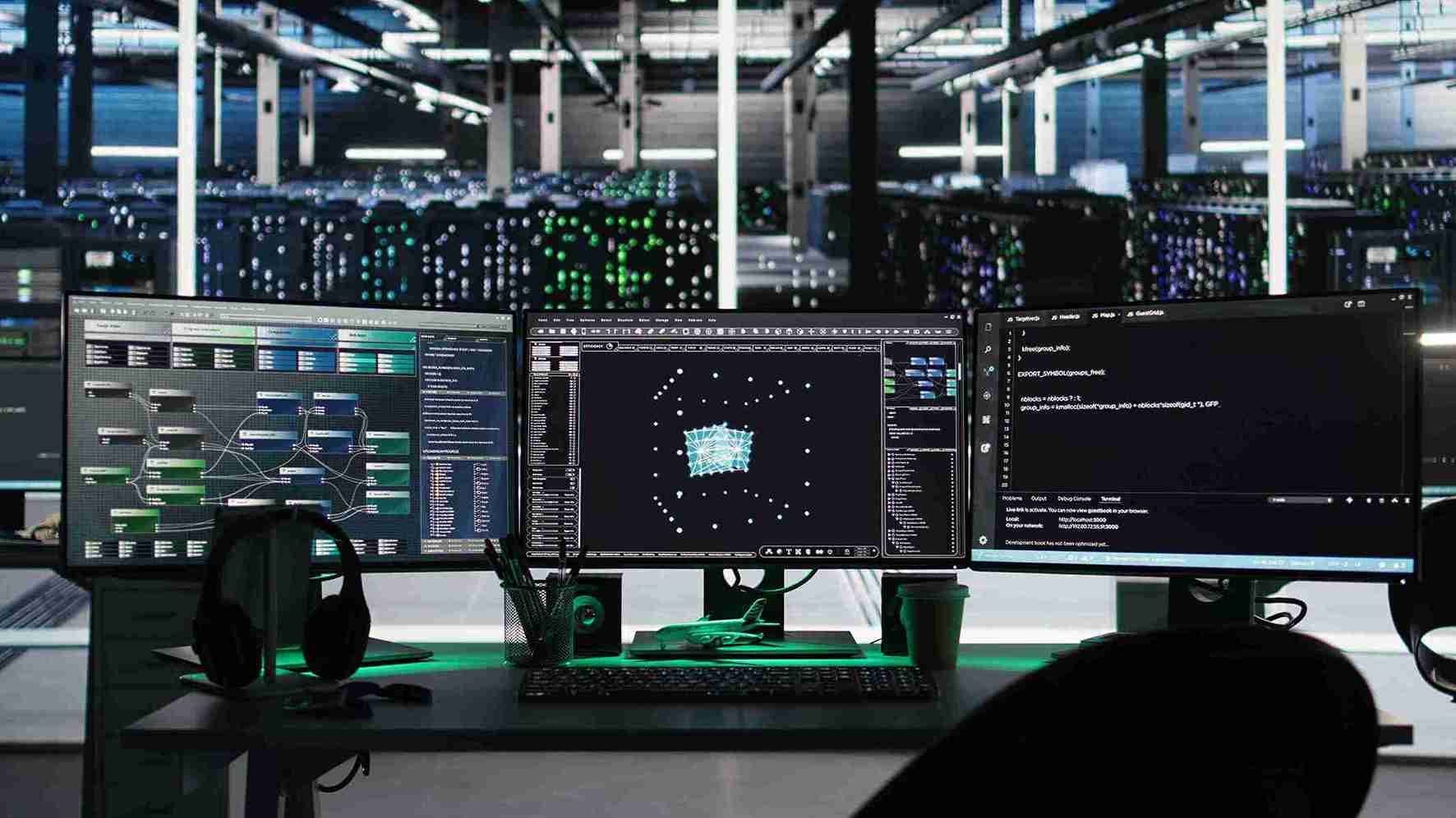
What are mainframe technologies? They are the specialized combination of enterprise hardware, operating systems, middleware, databases, security controls, and development practices built to run mission critical workloads with extreme reliability, performance, and continuous availability. Mainframes are designed to process very large volumes of transactions, keep data consistent and auditable, and remain stable even under heavy demand.
In this guide, you will learn what mainframe technologies include, how the mainframe stack works, where it is used today, and how organizations modernize mainframe environments without losing the stability they depend on.
Why Mainframes Still Power Critical Systems
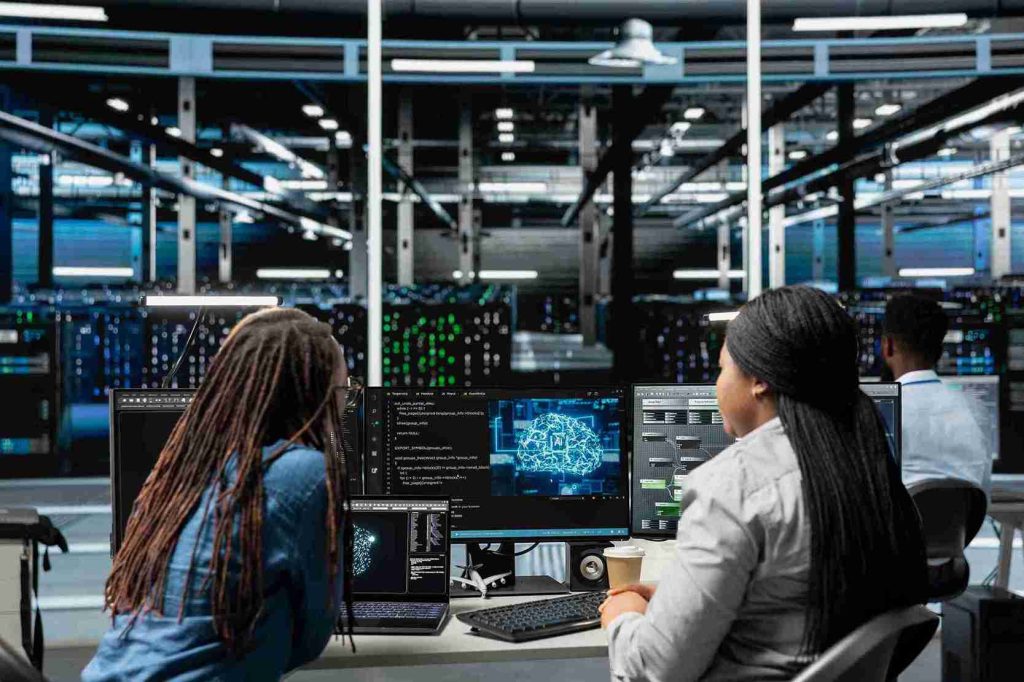
Mainframes continue to be used because many organizations require systems that cannot fail. In banking, a short outage can interrupt payments and transfers. In airlines, a disruption can break reservations and scheduling. In government, downtime can affect public services and sensitive citizen data.
Mainframe platforms are built for these conditions. They are optimized for high throughput transaction processing, strong isolation between workloads, and predictable performance. When people ask what are mainframe technologies, it is often because they see modern apps and cloud services and wonder why large institutions still rely on older languages and centralized systems. The reality is that mainframes have evolved and still deliver capabilities that are difficult to match at the same scale with the same operational simplicity.
A Clear Definition of Mainframe Technologies
Mainframe technologies refer to the technologies used to run and manage computing on mainframe platforms. This includes mainframe servers, operating systems such as z OS, transaction processing monitors, data management systems, batch processing tools, job scheduling, security and identity services, storage subsystems, networking, monitoring, and development toolchains.
Mainframe technology is typically associated with the IBM Z ecosystem, but the term also covers the broader patterns and components that make mainframes distinct. These platforms emphasize continuous operations, centralized governance, secure multi tenancy, and extremely efficient input output handling.
Mainframe Hardware and System Architecture
Modern mainframe hardware is built around processors and input output subsystems engineered for throughput and resilience. A key idea is that mainframes are designed to run many workloads at once with strict isolation. This is crucial when a bank, for example, runs thousands of programs that must never interfere with each other.
A major part of mainframe technologies is virtualization. On IBM Z, logical partitions allow one physical system to act like multiple independent machines. This supports separation between environments such as development, testing, and production. It also enables different operating systems to run side by side, including Linux workloads.
Another defining capability is reliability by design. Mainframes include features for redundancy and error detection, and they are operated with processes focused on uninterrupted service. In practice, organizations aim for continuous availability, meaning updates and maintenance are planned to minimize downtime.
Operating Systems on Mainframes
The operating system is the foundation of the mainframe stack. The most common enterprise mainframe operating system is z OS. It supports large scale transaction processing, high security, and extensive system management functions. It also provides the environment where core subsystems run.
Many organizations also run Linux on IBM Z to host modern services closer to mainframe data. This can reduce latency and simplify integration. When you ask what are mainframe technologies, operating systems are central because they define how workloads are executed, how resources are managed, and how security is enforced.
Transaction Processing and Online Systems
A major reason mainframes remain essential is their strength in online transaction processing. These are systems where users or applications submit requests that must be processed immediately and reliably. Examples include account balance updates, policy changes, order processing, and reservation confirmations.
A classic component in mainframe technologies is a transaction monitor. In the IBM world, CICS is widely used to manage online transactions. It helps ensure that transactions are processed safely, concurrently, and with consistent results. It also supports integration patterns that allow front end systems to call mainframe services.
This is one of the most important answers to what are mainframe technologies because transaction processing is where mainframes excel. They are engineered to handle massive concurrency with strong consistency guarantees.
Data Management and Mainframe Databases
Mainframes commonly use enterprise databases that support high throughput and strict consistency. DB2 is a widely used relational database in mainframe environments. Some organizations also use hierarchical databases such as IMS, depending on legacy applications and performance needs.
Data management on mainframes is not only about storing data. It includes backup and recovery procedures, data replication, access controls, and performance tuning. Mainframe technologies place heavy emphasis on data integrity and auditability, which is essential in regulated industries.
Batch Processing and Job Control
Not all mainframe work happens in real time. Many organizations run large batch workloads during scheduled windows. These might include end of day processing, reporting, billing runs, interest calculations, settlement operations, and file transfers.
JCL, or Job Control Language, is a key part of mainframe technologies used to define and run batch jobs. It specifies which programs run, what data they use, and what system resources they require. Batch processing remains critical because it allows organizations to process huge volumes efficiently with predictable performance.
Understanding batch is an important part of understanding what are mainframe technologies because many business critical functions still depend on daily, weekly, and monthly batch cycles.
Programming Languages and Development Tools
Mainframe application portfolios often include COBOL, PL I, Assembler, and increasingly Java or other modern languages, depending on the organization. COBOL remains common because many core business applications were written in it and continue to run reliably.
Development on mainframes has also modernized. Many teams use modern IDEs, source control practices, automated testing, and CI CD workflows. Some organizations integrate mainframe builds into enterprise pipelines so that changes are tested and deployed with governance and traceability.
When people ask what are mainframe technologies, they often focus on languages alone. In reality, mainframe development includes compilers, build tools, libraries, test harnesses, and deployment controls that together support stable delivery.
Security and Identity Management
Security is not an add on in mainframe environments. It is a core design principle. Mainframe technologies include robust authentication, authorization, auditing, encryption, and administrative separation of duties.
In many IBM mainframe environments, RACF is used for access control and identity governance. It helps enforce who can access datasets, programs, and system functions. Security policies can be defined centrally and audited for compliance.
Because mainframes often store and process sensitive financial and personal data, the security tooling and controls are a primary reason organizations continue using them.
Storage, Datasets, and High Performance Input Output
Mainframe storage is traditionally organized around datasets rather than the file systems common in many other platforms. Data access patterns, indexing, and record formats are designed for performance and stability.
Mainframes are highly optimized for input output handling. This matters because transaction systems do not only compute; they constantly read and write records. Efficient input output is a key part of what makes mainframe technologies effective at large scale processing.
Integration with Modern Applications and APIs
Modern enterprises rarely operate mainframes in isolation. Mainframes integrate with web applications, mobile apps, cloud services, data warehouses, and messaging systems.
Common integration approaches include REST APIs, message queues, and service layers that expose core business functions. Many organizations wrap legacy transactions with APIs so that front end systems can interact with mainframe logic securely and consistently.
This is an important modern dimension of what are mainframe technologies because it shows that mainframes can function as the stable system of record while digital channels evolve rapidly.
Mainframe Modernization: What It Actually Means
Modernization does not always mean replacing the mainframe. In many cases, it means improving how mainframe systems are developed, integrated, and operated.
Common modernization strategies include rehosting, refactoring, replatforming, and API enablement. Some organizations keep core logic on the mainframe and modernize the user experience and integration layer. Others gradually decompose applications by moving selected functions to distributed systems, while keeping the system of record stable.
A practical modernization approach starts with understanding the application portfolio, identifying business critical paths, and reducing risk. The most successful programs treat the mainframe as an asset, not as a problem.
If you are evaluating what are mainframe technologies from a business perspective, modernization is where technology and strategy meet.
Common Mainframe Terms You Will Hear
To make the topic easier, here are a few related keywords that are often used alongside the main phrase.
Mainframe computing refers to the overall discipline and platform approach. IBM Z refers to the hardware family commonly used today. z OS refers to the primary operating system. CICS refers to transaction processing. JCL refers to batch job control. DB2 refers to database services. RACF refers to security management. IMS refers to another major transaction and database system used in some environments.
These terms are often the practical vocabulary that answers what are mainframe technologies in day to day work.
Skills and Roles in Mainframe Environments
Mainframe teams typically include system programmers, application developers, database administrators, security administrators, and operations staff. Many organizations also have specialists in performance tuning, capacity planning, and resilience engineering.
Useful skills include understanding batch and online processing, basic dataset concepts, job scheduling, debugging, and secure access practices. For developers, learning COBOL is still valuable in many companies, but modern integration and automation skills are increasingly important.
The Future of Mainframe Technologies
Mainframe platforms continue to evolve. They support modern encryption, virtualization, and integration patterns, and many organizations are connecting them more closely with cloud systems. The long term trend is not a sudden disappearance of mainframes. It is a steady shift toward hybrid architectures where mainframes remain the system of record for core data and transactions, while modern services handle digital experiences, analytics, and rapid iteration.
If you summarize what are mainframe technologies in one statement, it is this. They are an enterprise grade technology stack built for secure, reliable, high volume transaction processing, and they remain relevant because those needs remain fundamental.
Conclusion
What are mainframe technologies? They are the technologies that make mainframes uniquely capable of handling critical workloads at scale, including specialized hardware, operating systems, transaction processing monitors, databases, batch processing tools, development environments, and security frameworks. Mainframes remain widely used because they deliver continuous availability, strong data integrity, and operational stability for the most demanding organizations.
As businesses modernize, the mainframe often becomes part of a broader hybrid strategy rather than something to discard. Understanding the mainframe stack helps you evaluate legacy systems realistically, plan modernization responsibly, and build integrations that bring long term value.
Leave a Reply